Prime Pine emerged from a simple observation: the most meaningful food relationships happen when distance collapses. Not physical distance alone, though that matters, but the psychological distance created when we lose track of where food comes from and who produces it.
How we think about food systems
Industrial agriculture solved important problems. It created abundance. It made food affordable. But it also created new problems that we're only beginning to understand. Soil degradation. Nutritional decline. Community disconnection. Environmental stress.
We don't believe these problems require abandoning modern knowledge. They require applying it differently. Regenerative agriculture isn't a return to pre-industrial methods. It's the integration of ecological understanding with contemporary practice.
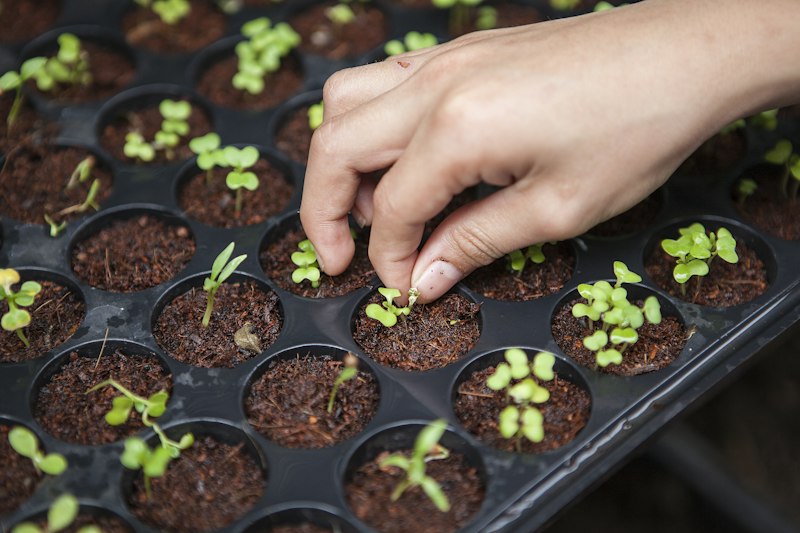
Studies have shown that farming practices emphasizing soil health and biodiversity can yield comparable productivity to conventional methods while reducing synthetic inputs and environmental impact. The transition requires knowledge, patience, and community support.
What we actually do
We work with a network of farmers throughout New Zealand who've committed to regenerative practices. These aren't hobby farmers. They're professionals who've made difficult decisions to prioritize long-term soil health over short-term yield optimization.
Our role is coordination and connection. We handle logistics so farmers can focus on farming. We create market access for producers who can't afford their own distribution infrastructure. We educate consumers about seasonal eating and the realities of farming without synthetic optimization.
This isn't charity. It's business built on different assumptions. We believe people will pay fairly for food when they understand its true cost. We believe farmers deserve compensation that reflects the ecological value they create, not just the commodity weight they produce.
Why New Zealand
This country has particular advantages for local food systems. Moderate climate. Relatively short distances between rural and urban areas. A culture that values environmental stewardship. Existing infrastructure for small-scale agriculture.
But it also faces challenges. Pressure to maximize agricultural exports. Competition from industrial operations. Consumer expectations shaped by supermarket convenience. Our work exists within these tensions.
The people involved
Our farmer network includes former conventional operators who transitioned to regenerative methods, young farmers starting with ecological principles from the beginning, and multi-generational operations adapting traditional knowledge to contemporary challenges.
What they share is commitment to practices that build soil rather than deplete it. Diverse plantings rather than monocultures. Minimal synthetic inputs. Patient observation. Willingness to accept variable yields in exchange for ecological resilience.
On the consumer side, our participants range from families seeking better nutrition to individuals concerned about environmental impact to people simply wanting to know who grows their food. The motivations vary. The outcome is the same: direct connection between production and consumption.
What this isn't
We're not claiming to solve global food security. We're not positioning this as the only valid approach to agriculture. We're not romanticizing farming or pretending small-scale production is always superior.
We're demonstrating that local, ecologically sound food systems can function economically. That people will participate when barriers are removed. That farmers can thrive without maximizing extraction. That communities benefit when food relationships become visible again.
The work is specific, limited, and real. It serves people in particular places with particular needs. It proves viability through practice rather than theory.