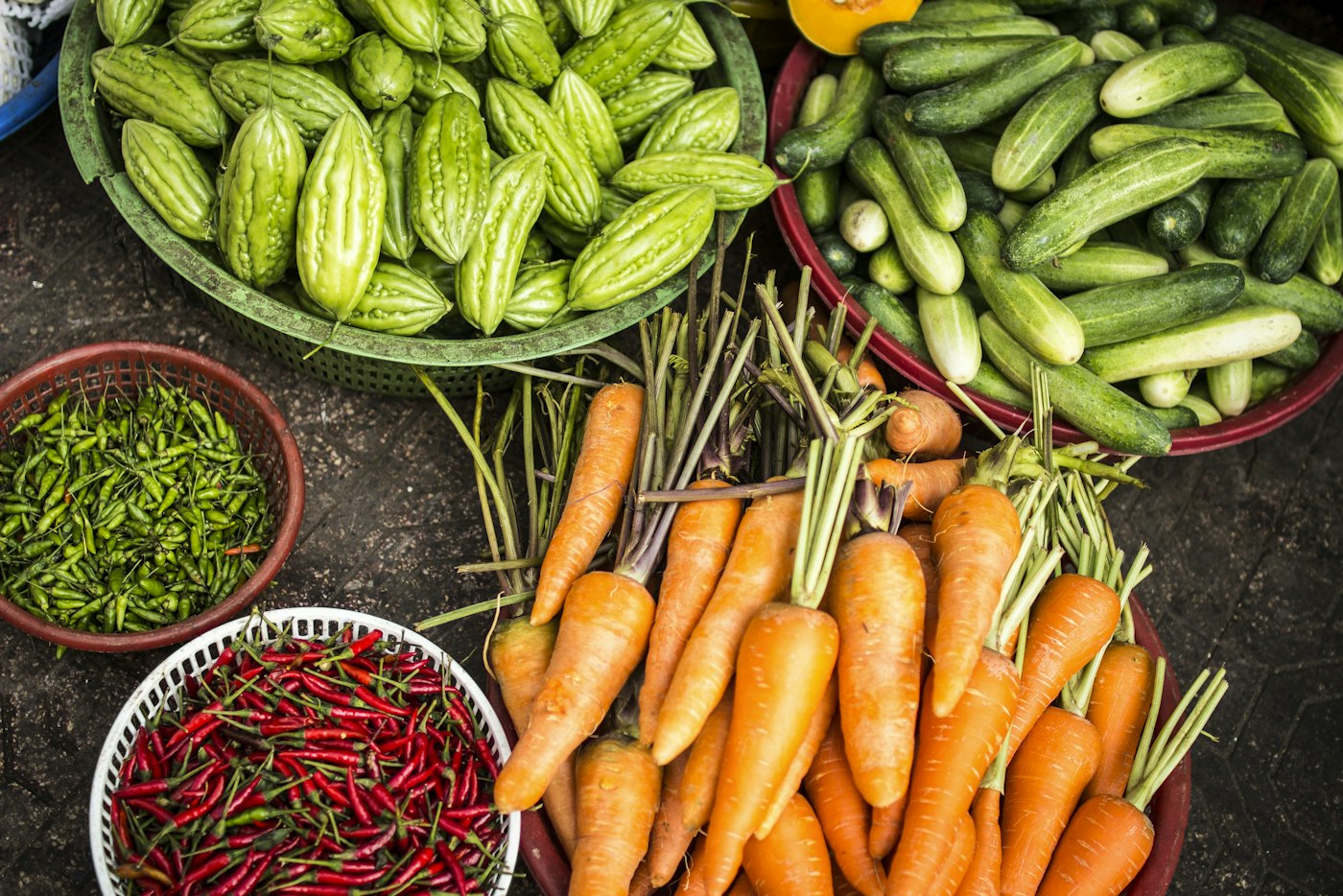
When food travels less, communities grow stronger
What if the distance between farm and table wasn't measured in thousands of kilometers, but in trust, transparency, and genuine connection?
Every week, Sarah drives forty minutes to a warehouse where vegetables arrive in plastic-wrapped boxes. They've crossed oceans, passed through distribution centers, spent days in refrigerated trucks. By the time they reach her kitchen, they've lost something intangible but vital.
This isn't just about freshness, though that matters. It's about disconnection. Somewhere in that supply chain, food stopped being food and became inventory. The farmer who planted those seeds, who watched over their growth, who harvested at peak ripeness, they've been erased from the story entirely.
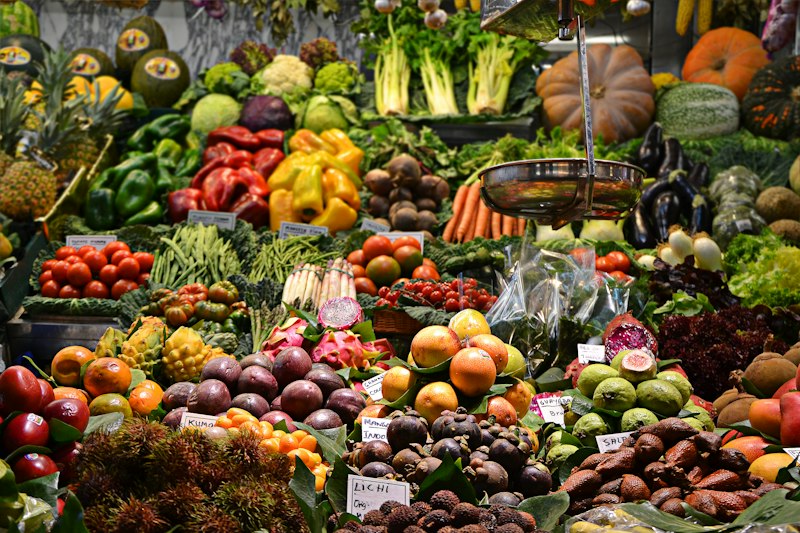
Local markets create spaces where stories travel alongside produce
What changes when you know the person who grew your carrots? When you understand the soil they came from, the water that nourished them, the hands that pulled them from the earth? Everything changes. Food becomes more than nutrition. It becomes relationship.
The hidden cost of convenience
Industrial food systems promise efficiency. They deliver abundance. But they've created a peculiar problem: we've never had more access to food, yet we've never been more distant from understanding where it comes from.
This distance carries costs that don't appear on receipts. When food travels thousands of kilometers, it requires preservation methods that prioritize shelf life over nutritional density. Varieties are chosen for their ability to withstand transport, not their flavor or nutrient content. Harvesting happens weeks before peak ripeness.
Research has shown that certain nutrients begin degrading within hours of harvest. Vitamin C content in spinach can drop by as much as 50% within the first week after picking. [1] The produce looks fresh, but its nutritional profile tells a different story.
"We've optimized for everything except what matters most: the living quality of food and the relationships that give it meaning."
Beyond nutrition, there's the environmental calculation. Transportation, refrigeration, packaging designed for long journeys. Each kilometer adds carbon. Each day in transit requires energy. The system works, but at what cost?
A different approach already exists
Throughout New Zealand, a quiet revolution is unfolding. Small-scale farmers are reconnecting directly with communities. They're growing food for flavor and nutrition rather than transportability. They're harvesting at peak ripeness because their customers are nearby, not on another continent.
Growing for quality rather than quantity creates different outcomes
These aren't hobby gardens. They're professional operations built on ecological principles. Soil health, biodiversity, water conservation, these aren't marketing terms but foundational practices. Studies indicate that organically managed soils can support substantially higher microbial diversity, which may contribute to improved nutrient cycling and plant health. [2]
The model is straightforward: grow food using methods that regenerate rather than deplete. Deliver it to people who live close enough that freshness isn't compromised. Build relationships that create accountability on both sides.
What this looks like on the ground
Marcus farms eight hectares outside Christchurch. Twenty years ago, he worked in conventional agriculture, applying synthetic inputs according to standardized schedules. The yields were predictable. So were the problems: degraded soil, increasing pest pressure, rising input costs.
He transitioned gradually to regenerative methods. Cover crops to build organic matter. Diverse plantings to disrupt pest cycles. Minimal tillage to preserve soil structure. The first years were challenging. Yields dropped initially. But the soil began to change. It held water better. It required fewer interventions. The food that came from it tasted noticeably different.
"People tell me they can taste the difference, and I believe them. When soil is alive, everything that grows from it reflects that vitality." — Marcus T., Canterbury Region
Now he supplies forty families directly. They receive boxes every Thursday. Contents vary seasonally because he grows what thrives naturally rather than forcing crops out of season. His customers have learned to cook with what's available. They've discovered vegetables they'd never encountered in supermarkets.
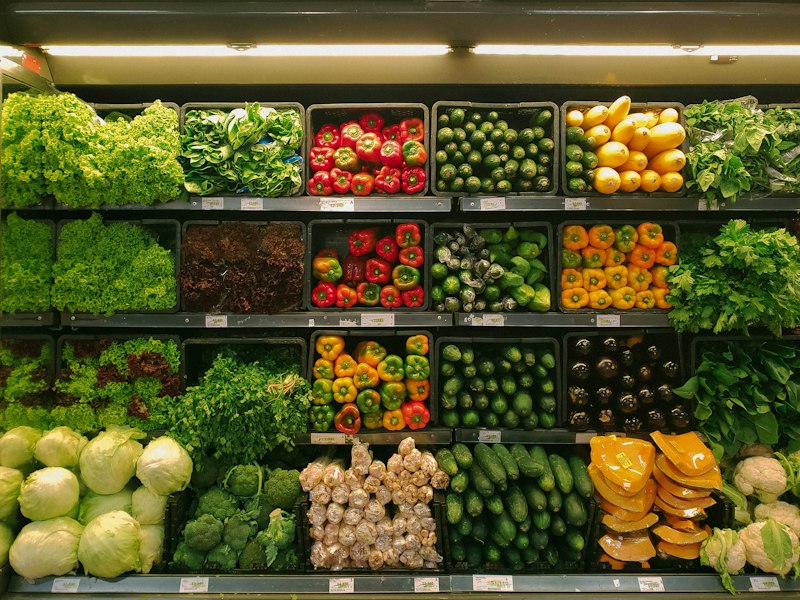
Seasonal variety encourages culinary creativity and dietary diversity
This isn't an isolated case. Similar stories are playing out across the country. What they share is a commitment to practices that prioritize long-term soil health and direct community connection over maximum short-term yield.
How you can participate
Accessing this system doesn't require complicated logistics or special knowledge. It requires a willingness to work with seasonal availability and support farmers who prioritize quality over volume.
Weekly Harvest Box
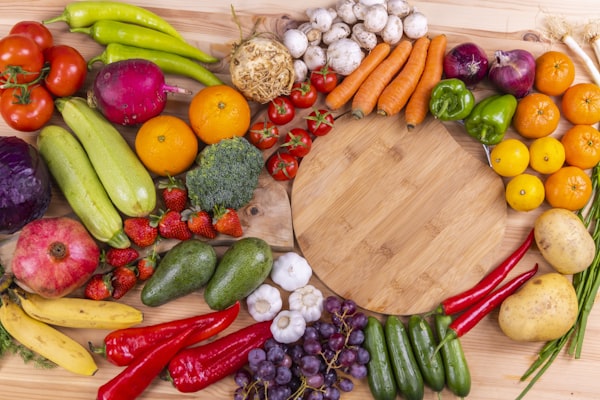
Seasonal produce delivered from nearby farms. Contents vary weekly based on what's at peak harvest. Typically includes 6-8 vegetable varieties, occasional fruit, and fresh herbs. All grown using certified organic or regenerative methods.
Frequency: Weekly delivery
Price: NZD 68.50 per box
Market Co-op Membership
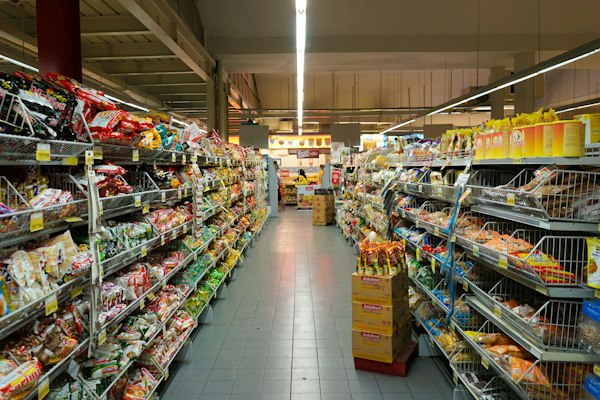
Monthly access to our rotating farmers market cooperative. Members receive early entry, volume discounts, and direct communication with producers. Markets feature vegetables, dairy, bread, preserves, and other locally crafted food products.
Frequency: First Saturday monthly
Price: NZD 45.00 per month
Farm Direct Partnership
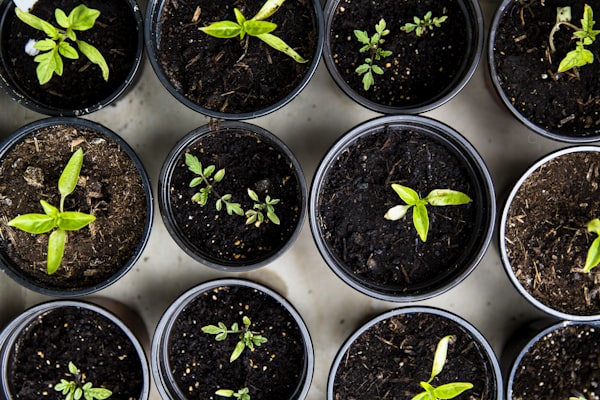
Connect directly with a specific farm for customized delivery. Work with the farmer to specify preferences and dietary needs. Receive updates about planting schedules and harvest forecasts. This option suits families wanting deeper engagement with their food source.
Frequency: Bi-weekly or monthly
Price: NZD 142.75 per month
Seasonal Preservation Workshop

Learn techniques for preserving peak-season abundance: fermenting, canning, drying, and freezing methods. Workshops include hands-on practice and take-home materials. Extend the value of local harvests throughout the year.
Frequency: Quarterly sessions
Price: NZD 95.25 per workshop
Community Garden Plot Access
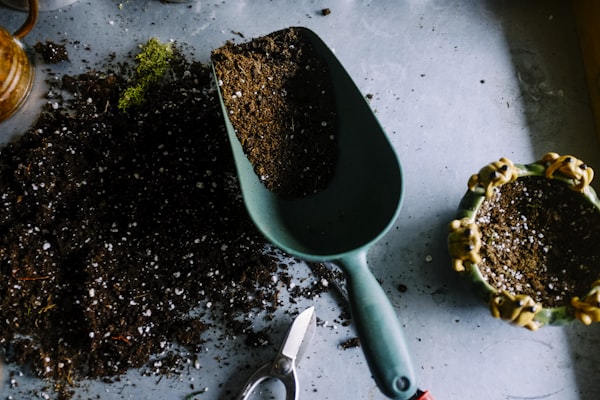
Rent a prepared garden plot on shared land with irrigation infrastructure and tool access. Receive guidance from experienced growers. Ideal for people wanting to grow some of their own food without committing to full property gardening.
Frequency: Seasonal lease (6 months)
Price: NZD 185.00 per season
Begin your connection
If this approach resonates with you, the next step is straightforward. Select a service that fits your situation, provide basic contact information, and we'll coordinate the details.
Scientific References
- Favell DJ. A comparison of the vitamin C content of fresh and frozen vegetables. Food Chem. 1998;62(1):59-64. Available at: https://pubmed.ncbi.nlm.nih.gov/17497925/
- Hartmann M, Frey B, Mayer J, Mäder P, Widmer F. Distinct soil microbial diversity under long-term organic and conventional farming. ISME J. 2015;9(5):1177-1194. Available at: https://pubmed.ncbi.nlm.nih.gov/23505113/
The information provided on this site is for general informational purposes and is not intended as medical or nutritional advice. Individual results may vary based on various factors including dietary habits and lifestyle choices. This is not a substitute for professional guidance from qualified healthcare or nutrition practitioners. We recommend consulting with appropriate specialists before making significant changes to your diet or food sourcing practices.